
What Is a Private Hire Taxi? And How Is It Different from a Black Cab?

Written By Imtiaz Ahmad
Updated Just Recently
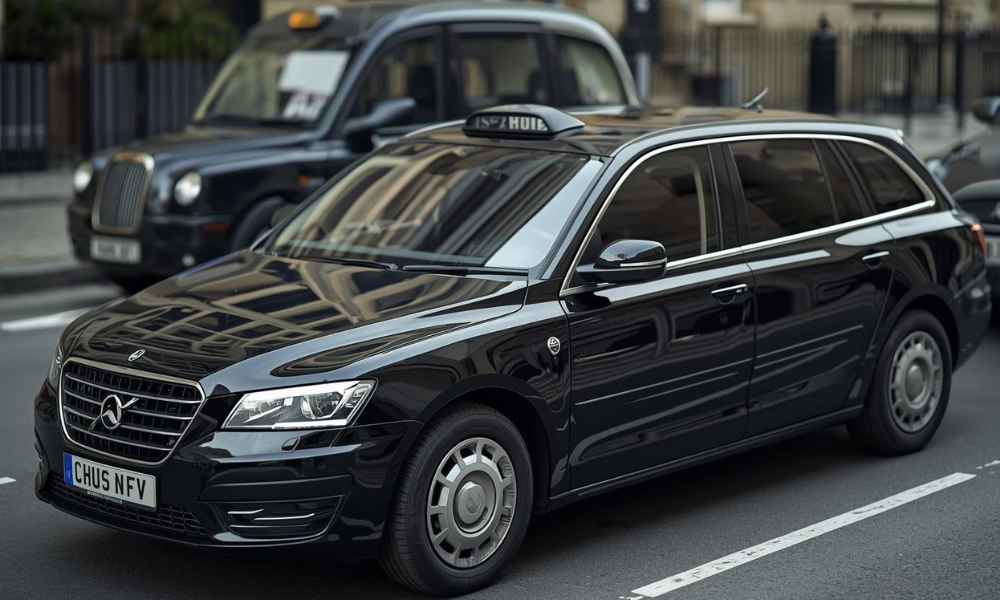
Book a car to the airport in the UK and you are almost certainly using a private hire taxi, even if you have never heard the term. Hail a cab on the street, and that is something legally different: a black cab. The two look similar from the pavement, but they run on different rules, different pricing, and different licences, and knowing the difference protects both your wallet and your safety.
This guide explains what a private hire taxi is, how it differs from a black cab, how to spot a licensed vehicle, and why one unlicensed shortcut can leave you in an uninsured car.
A private hire vehicle (PHV), also called a minicab, is a licensed car that must be booked in advance through a licensed operator. It cannot legally pick you up from the street or a taxi rank. A black cab (hackney carriage) can be hailed on the street or picked up at a rank, and charges by a regulated meter. In short: black cab = hail it now, pay the meter. Private hire = book ahead, pay a fixed price.
Private Hire vs Black Cab at a Glance
Black Cab (Hackney Carriage) | Private Hire Vehicle (PHV) | |
How you get one | Hail on the street or at a rank | Pre-book through a licensed operator |
Pricing | Meter: runs with time and distance | Fixed fare agreed at booking |
Traffic jams | Meter keeps counting | Price does not change |
Booking | Optional | Legally required |
Vehicles | Standardised, purpose-built | Saloons, estates, MPVs, executive, minibuses |
Wheelchair access | Built in as standard | Bookable (WAV) in advance |
Examples | London-style black taxi | Minicab firms, airport transfer companies, Uber |
What Is a Black Cab?
A black cab, formally a hackney carriage, is a taxi licensed to pick up passengers without a booking. You can flag one down, join a rank at a station or airport, or pre-book one if you prefer.
Fares run on a council-regulated taximeter, so the price builds with time and distance, and traffic makes the meter climb. In London, black cab drivers pass “The Knowledge”, memorising thousands of streets, and every London black cab is wheelchair accessible as standard. Outside London, hackney carriages do not always look like the classic black taxi, but the same rule applies: they are the only vehicles allowed to take passengers on the spot.
What Is a Private Hire Taxi?
A private hire taxi is a licensed vehicle that carries passengers for payment, but only on pre-booked journeys arranged through a licensed operator. That covers local minicab firms, executive car services, airport transfer companies like us, and app-based services.
Yes, that includes the apps: Uber and similar services are private hire, not taxis in the legal sense. Booking through the app is the pre-booking, which is why an Uber driver cannot legally accept you waving from the kerb.
How private hire taxis work
- You book ahead, online, by phone, or through an app, giving your pickup point, destination and time.
- The fare is agreed before the journey, fixed at booking, so traffic and time of day cannot change it.
- A licensed driver is assigned to your booking, and for airport pickups a good operator adds flight tracking and meet and greet.
- You are dropped door to door, with the price you were quoted being the price you pay.
This structure is why private hire taxi services for airport transfers dominate that market: a pre-planned journey with a fixed cost fits flying far better than a meter and a rank queue.
How to Spot a Licensed Vehicle (and a Licensed Driver)
Every licensed vehicle carries identification, and it takes five seconds to check:
- A licence plate on the rear of the vehicle, showing the licence number, vehicle details and expiry date, issued by the local council.
- Door signs or stickers on private hire vehicles, often stating “pre-booked only”. Colours and exact formats vary by council area, so the plate is the reliable constant.
- A driver ID badge, which every licensed driver must display. No badge, ask questions.
- Executive private hire vehicles may carry smaller discreet plates and no door stickers, which is permitted for corporate work. If a car has none of this, it is not licensed, whatever the driver says.
The Safety Part Nobody Tells You: Unbooked Means Uninsured
Here is the single most important rule in this whole topic. A private hire vehicle that picks you up without a booking is operating illegally, and critically, the journey is likely uninsured. Private hire insurance covers pre-booked work; step into one off the street, and you may have no cover at all if anything goes wrong, while the driver risks losing their licence.
This matters most exactly where you are most tempted: airports and stations late at night. Someone approaching you in the arrivals hall with “taxi, madam? good price” is rarely a licensed booking, because licensed private hire drivers respond to bookings; they do not tout. The safe options at Manchester Airport are the official black cab rank outside the terminal, or a pre-booked private hire driver waiting in arrivals with your name on a board. Anything in between is a risk not worth the fiver you might save.
Licensing: What Sits Behind a Private Hire Badge
Private hire taxi regulations in the UK run through local licensing authorities, and the checks are genuinely thorough:
- Enhanced DBS background checks on every driver
- Medical assessments to a professional driving standard
- Vehicle inspections on a regular cycle, stricter than a standard MOT regime
- Operator licensing, so the company taking your booking is accountable, not just the driver
Rules vary in detail from council to council, and London runs its own framework under Transport for London, but the core is the same everywhere: three licences per journey, one each for the driver, the vehicle and the operator. It is also worth checking which council your operator is licensed with; a local licence generally means local accountability and local route knowledge. Our guide to choosing an airport transfer service includes the exact questions to ask.
When a Black Cab Is the Better Choice
Fair is fair. Choose a black cab when you need a ride right now with no booking, when you want a driver with deep street knowledge for a city-centre hop, or when you need guaranteed wheelchair access without pre-arranging. In central London, black cabs can also use bus lanes, which genuinely helps in heavy traffic. For a spontaneous two-mile trip across town, the rank is a perfectly good answer.
Why Choose a Private Hire Taxi Over a Black Cab?
For planned journeys, and airport transfers above all, the benefits of private hire taxis stack up:
- Fixed fare, agreed upfront: a delayed motorway does not cost you a penny more, while a meter would keep climbing
- Guaranteed pickup: the car is scheduled for you, no rank queue, no hoping one shows up at 4 am
- Flight tracking and meet and greet at the airport: your driver adjusts to your actual landing time and waits in arrivals with a name board
- Vehicle choice: saloon, estate, MPV, executive or minibus to match passengers and luggage, with free child seats on request
- Usually cheaper for longer trips: over airport distances, a fixed private hire fare typically undercuts a running meter
So are private hire taxis cheaper than black cabs? For short spontaneous city hops, not always. For pre-planned and longer journeys, almost always, and you know the number before you get in.
How to Book a Private Hire Vehicle in the UK
Booking takes two minutes: choose a licensed operator, enter your pickup address, destination, date and time, pick the vehicle size for your passengers and luggage, and add your flight number for airport pickups. You get a fixed quote and a confirmation, and for arrivals, a driver who tracks your flight and meets you inside the terminal. Our guide on choosing the right vehicle helps you match the car to your group and bags.
Book a Licensed Private Hire Transfer
Fixed fare agreed upfront, an enhanced-DBS-checked professional private hire driver, flight tracking, and a name board waiting in arrivals: that is private hire done properly. Book your Manchester Airport transfer with a fully licensed operator now, and know your price before you fly.
Frequently Asked Questions
A black cab can pick you up on the street or at a rank with no booking and charges by meter. A private hire taxi must be pre-booked through a licensed operator and charges a fixed fare agreed before the journey.
No. It is illegal, and the journey would likely be uninsured. Every private hire journey must go through a licensed operator’s booking first, even if that booking is made moments before through an app.
Yes, always. The pre-booking is the legal foundation of the private hire licence, and it is also what makes fixed pricing possible.
Private hire. The app booking counts as the pre-booking, so Uber drivers hold private hire licences and cannot legally accept street hails.
A minicab is simply the everyday word for a private hire vehicle, so the differences are the same: minicabs must be pre-booked and use agreed fares, while black cabs can be hailed and run a meter.
Check for the council licence plate on the rear of the vehicle and the driver’s ID badge. Private hire cars usually also carry door signs. No plate and no badge means no ride.
Because airport journeys are planned in advance, which is exactly what private hire is built for: a fixed fare over a long distance, a driver scheduled for your flight, live flight tracking, and a meet and greet in arrivals instead of a rank queue.
Related Articles
